
The refrigerant transition is not new — it’s already underway. As of January 1, 2025, most commercial equipment began phasing out R-410A in favor of lower-GWP refrigerants.
The next major step is approaching:
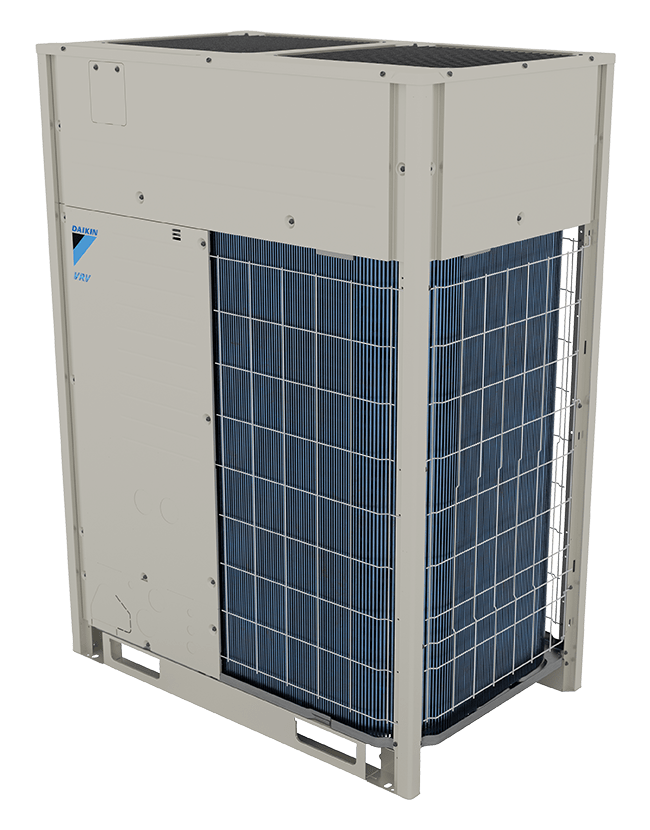
VRV systems will transition to R-32 beginning January 1, 2026.
For facility teams and service contractors already supporting VRV, this shift brings meaningful benefits — not additional complexity.
R-32 aligns with both regulatory requirements and long-term building performance priorities. It provides higher efficiency, lower environmental impact, and more stable servicing characteristics than the alternatives.
Unlike some refrigerant transitions of the past, this one isn’t about navigating new installation practices or maintenance headaches — it’s about adopting a refrigerant that works with existing VRV field practices.
R-32 is not a blend — which means:
No glide
No component separation during leaks
No remixing or rebalancing during service
Stable performance over the life of the system
This is a major differentiator from R-454B, which can change composition if leakage occurs.
R-32 is widely manufactured and is not proprietary to any single OEM.
This supports:
Lower refrigerant cost per pound
Broader channel availability
Reduced long-term replacement risk
For facilities planning 20–30 year HVAC horizons, this matters.
Compared to R-454B, R-32 requires less total refrigerant charge for equivalent system capacity — reducing:
Material cost
Stored volume
Transport and recovery time
Lower charge = lower total lifecycle cost of ownership.
Most VRV service procedures stay the same:
Same refrigerant piping design and brazing practices
Similar operating pressures
Evacuation and commissioning remain unchanged
The only update: ensure gauges, recovery pumps, and leak detectors are rated for A2L refrigerants.
Most modern R-410A tools already qualify.
Daikin VRV systems integrate required A2L safeguards when charge thresholds apply, including:
Refrigerant leak detection
Automated shutoff logic
UL 60335-2-40 & ASHRAE 15-2022 compliant control strategies
Safety is engineered into the system, not added externally.
While certification is not required, we strongly recommend A2L handling training for service personnel. Trusted resources include:
Daikin HVAC Learning Campus
ACCA A2L Safe Handling
For additional technical guidance, we recommend:
www.R32Reasons.com
We’ve put together a concise resource package for facilities & service teams:
✅ A2L Safety & Service Checklist
✅ Tool Readiness Reference
✅ VRV R-32 Transition Key Points
✅ Recommended Training Links
The industry is not preparing for refrigerant change — it is continuing it.
With most system categories already transitioned in 2025, VRV moves to R-32 in 2026 as the next step.
R-32 supports:
Lower lifecycle cost
Greater servicing stability
Stronger sustainability alignment
And a clearer long-term equipment roadmap
For facilities teams maintaining VRV systems today, the future is both familiar and improved.